

You’re scrolling through a dating app profile and it says: “Looking for LTR only.” Or maybe a friend texts you: “Just got out of a long LTR, not ready to date yet.” Three letters. Infinite confusion — unless you know exactly what they mean.
This guide breaks down the LTR meaning in text from every angle: its origins, all possible definitions, tone variations, when to use it, when to skip it, and how to respond when someone brings it up. Whether you’re new to texting slang or just want to nail the nuance, this is the only guide you’ll need.
What Does LTR Mean in Text?
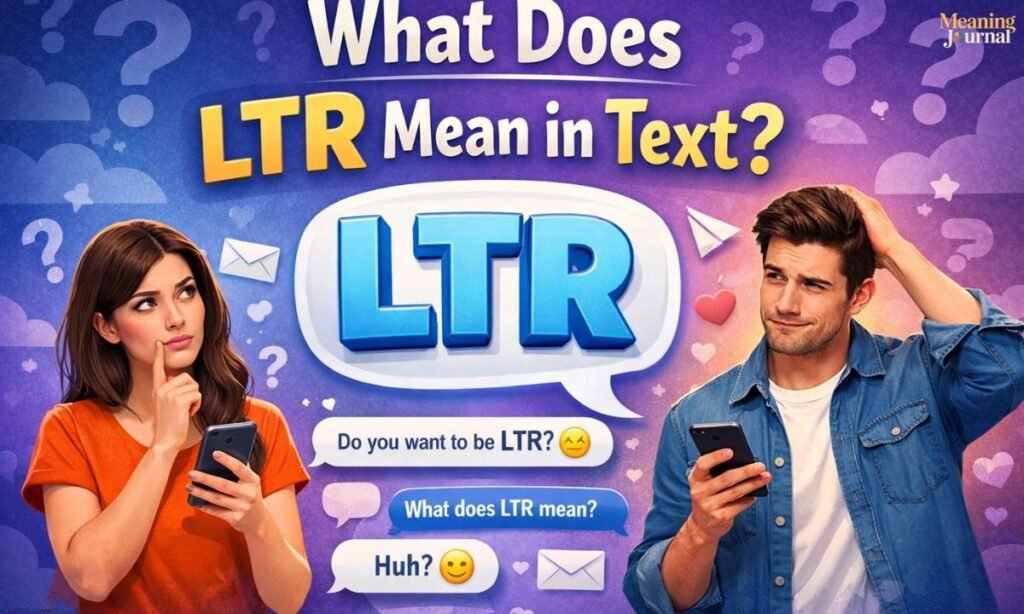
LTR stands for Long-Term Relationship in the vast majority of text messages, dating apps, and online conversations. It’s a shorthand way of expressing that someone wants a committed, lasting romantic partnership — not a casual fling or a hookup.
The abbreviation saves time and signals intent clearly. Instead of typing out a full sentence like “I’m looking for a serious, committed relationship,” someone simply writes “seeking LTR.” Efficient, direct, and widely understood.
Quick Answer:
LTR = Long-Term Relationship (most common meaning in texting and dating contexts)
Why This Abbreviation Exists
Dating apps like Tinder, Bumble, and Hinge put a premium on brevity. Bios have character limits. Conversations move fast. People want to filter matches based on intentions without writing paragraphs. That’s where LTR earns its place — three letters that communicate months or years of relationship goals in under a second.
Beyond dating apps, the pace of modern texting culture favors abbreviations. LTR fits naturally into that world, and because the concept of a “long-term relationship” is universally relatable, the term has stuck.
All Possible Meanings of LTR (Context Matters)
While Long-Term Relationship dominates, LTR carries different meanings depending on the setting. Here’s a full breakdown:
| Context | LTR Meaning | Example |
| Dating / Social Media | Long-Term Relationship | “I’m only into LTR right now.” |
| Casual Texting | Later | “Can’t talk now, LTR!” |
| Business / HR | Letter | “Please send your LTR by Friday.” |
| Tech / Programming | Left-to-Right | “This UI uses LTR text direction.” |
| Medical / Research | Long-Term Results | “The LTR of the treatment were positive.” |
| Train Context | Last Train Route | Rare; used informally in transit discussions |
Quick rule: If the conversation involves romance, dating, or relationship goals — LTR almost certainly means Long-Term Relationship. If someone texts “LTR” while discussing documents or deadlines, they probably mean Letter. If it’s casual and non-romantic, it could mean “Later.”
LTR Meaning in Train Context
In informal transit conversations, “LTR” occasionally refers to the Last Train Route or a specific line on a rail system — but this is rare and highly regional. If you see it in a transit group chat, context makes it obvious.
LTR Meaning in Business
HR departments and corporate settings sometimes use LTR as shorthand for “Letter.” You might see: “Attach your LTR of recommendation with your application.” This usage is dry, functional, and has nothing to do with relationships.
LTR Meaning in Relationships
This is the big one. In romantic contexts, LTR signals emotional readiness and serious intent. When someone puts “LTR-minded” in their dating profile, they’re saying: “I’m not here to waste your time or mine. I want something real.”
The Tone Behind Using LTR (Why It Changes Everything)
Same three letters. Very different vibes. Tone completely transforms how LTR lands in a conversation.
Casual Tone
When used casually, LTR feels light and low-pressure — like a friendly check-in rather than a serious declaration.
Example: “Honestly haven’t thought about it much, but yeah, LTR sounds good to me eventually 😄”
This tone signals openness without urgency. It keeps things relaxed and doesn’t put the other person on the spot.
Direct Tone
The most efficient use of LTR. No fluff, no ambiguity. This tone works well on dating profiles and early conversations where both people want to filter intentions fast.
Example: “Not interested in casual dating. LTR or nothing.”
Direct is powerful — but read the room. Not everyone is ready for zero-to-serious in the first message.
Romantic Tone
Here, LTR carries emotional weight. It’s not just a preference — it’s a heartfelt expression of what someone truly wants from a partner.
Example: “I’ve done the whole casual thing. What I really want is an LTR with someone who actually gets me.”
This tone opens the door for deeper conversation and vulnerability.
Reserved or Formal Tone
Some people dislike abbreviations altogether. In this case, spelling out “long-term relationship” instead of using LTR communicates thoughtfulness and respect — particularly useful with someone older or someone who values traditional communication.
Example: “I’m at a stage in life where I’m genuinely looking for a long-term relationship.”
When, Where & Why People Use LTR
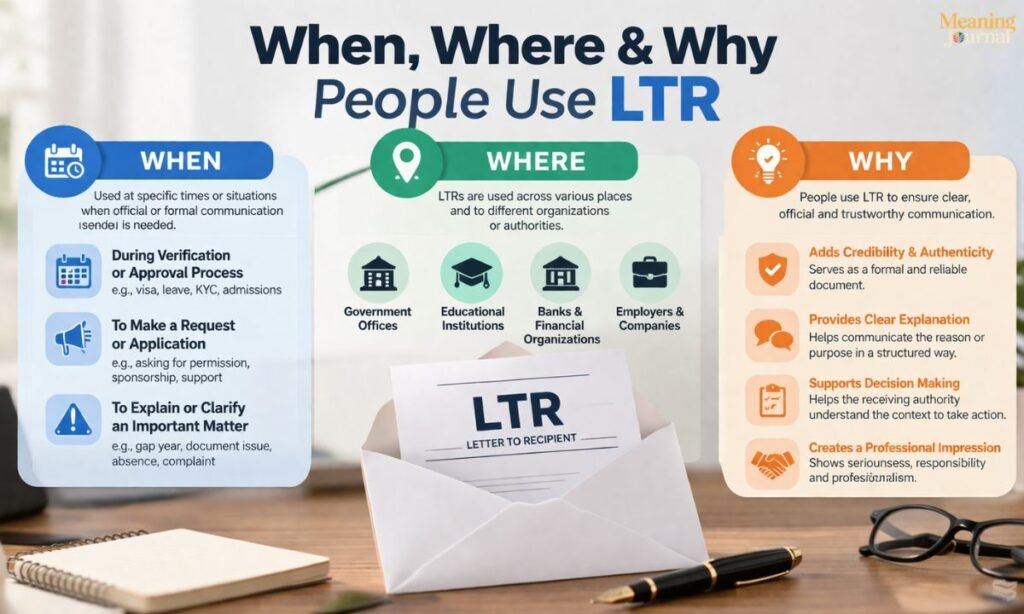
Common Places You’ll See It
- Dating app bios — Tinder, Bumble, Hinge, Grindr profiles often list “seeking LTR” to set expectations upfront
- Direct messages — early conversations where both parties want to align on intentions
- Social media — Instagram DMs, Snapchat, Twitter/X, Facebook groups focused on dating
- WhatsApp / iMessage — casual texting between friends discussing relationship goals
- Online forums — Reddit threads about relationships, dating advice communities
Why Use It?
People use LTR because they want clarity. They’re tired of three-month situationships that go nowhere. They don’t want to invest time and emotion into someone who’s on a completely different page. LTR in a bio or early message acts as an intention filter — it attracts compatible matches and repels mismatches before feelings get complicated.
In 2025, authenticity in dating is more valued than ever. Using LTR is one small but powerful way of saying: “I know what I want, and I’m not afraid to say it.”
When NOT to Use LTR
Knowing when to hold back is just as important as knowing when to use it.
- In a professional email or formal setting — “LTR” in a work context will likely be misread as “Letter” or just confuse your reader
- On a first message to someone you don’t know — dropping “looking for LTR” in your opening line can come across as intense before any connection is established
- With people who aren’t familiar with texting slang — older relatives, professional contacts, or anyone outside digital dating culture may not recognize the abbreviation
- When your actions don’t match your words — saying you want LTR while behaving inconsistently damages trust faster than any abbreviation can rebuild it
LTR Alternatives Based on Communication Style
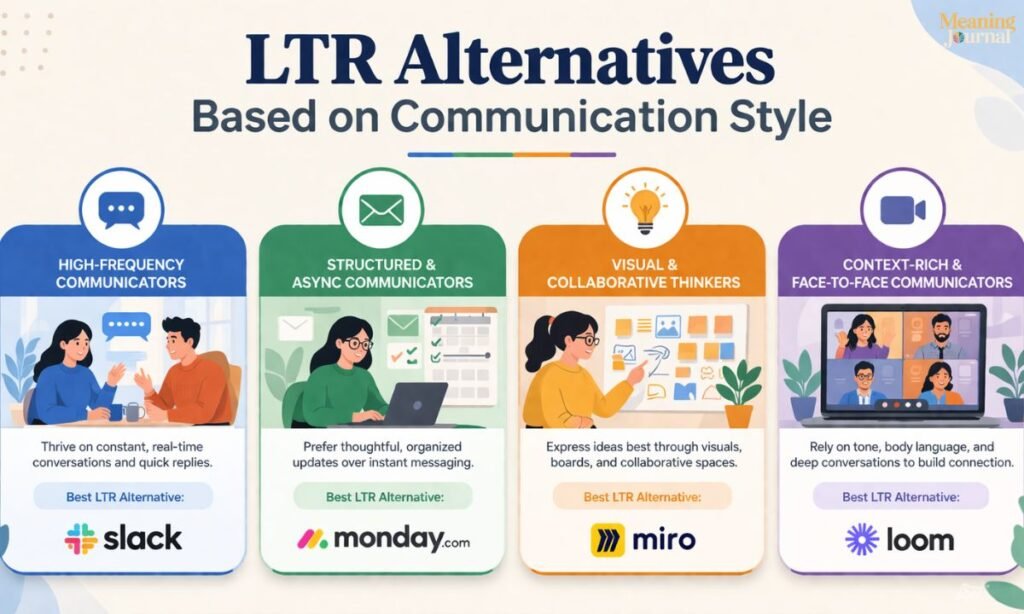
Sometimes spelling it out — or using a richer phrase — communicates better than the abbreviation. Here’s a cheat sheet:
🔹 Professional Alternatives to LTR
| Instead of LTR, Say… | Best For |
| “Long-term collaboration” | Business partnerships |
| “Ongoing engagement” | Client relationships |
| “Sustained professional relationship” | Formal correspondence |
🔹 Casual Alternatives
- “Something serious”
- “I’m done with casual stuff”
- “Ready to settle down”
- “Looking for my person”
- “Not here for situationships”
🔹 Polite / Soft Alternatives
- “Open to something meaningful if the connection is right”
- “I’d love something that actually goes somewhere”
- “Looking to build something real over time”
- “Ideally something long-lasting”
These softer options work beautifully when you want to express the same intention as LTR without the bluntness of an acronym.
How to Respond to “Are You Into LTR?”
This question deserves an honest, confident answer. Here’s how to handle it across different styles:
Casual or Direct Responses
- “Yeah, I think I’m ready for something serious.”
- “LTR is exactly what I’m looking for, honestly.”
- “I’ve had enough casual, so yes — absolutely.”
Polite or Formal Responses
- “That’s where my head is at. I’d love to build something meaningful with the right person.”
- “Yes — I believe in investing real time and energy into a relationship.”
- “I’m at a place in life where stability and depth matter more than anything.”
Witty or Creative Responses
- “LTR? Yeah — I’m here for the sequel, not just the trailer.”
- “Absolutely. Plot twists and cliffhangers welcome.”
- “Only if we can disagree about pizza toppings for the next decade.”
The best response matches your personality and reads the tone of the conversation. Humor works when the vibe is already playful. Depth works when the conversation has been genuine from the start.
Also Read This:What Does STFU Mean in Text 2026: Complete Guide to This Bold Internet Slang
Common Mistakes People Make With LTR
❌ Assuming Everyone Understands It
Not everyone is immersed in texting culture or dating app slang. If you’re messaging someone older, someone new to apps, or someone in a different country, spell it out to avoid confusion.
❌ Using It Too Early
Leading with “I want LTR” before any connection is established can feel overwhelming. Build rapport first, then let your intentions surface naturally.
❌ Mismatching Words and Actions
Nothing destroys trust faster than saying you want a long-term relationship and then acting inconsistently. LTR is a commitment signal — back it up with behavior that matches.
❌ Using It in a Workplace Context
Even with colleagues you’re close to, using LTR in a professional channel looks odd at best and inappropriate at worst. Always use full terms in professional communication.
Quick Decision Guide: Should You Use LTR or Spell It Out?
| Situation | Use LTR? | Why |
| Dating app bio | ✅ Yes | Brevity is valued; widely understood |
| First text to a match | ⚠️ Use carefully | Might feel intense without context |
| Chatting with a friend about dating | ✅ Yes | Casual context, likely understood |
| Professional email | ❌ No | Confusing; use “long-term collaboration” |
| Message to someone 50+ | ❌ No | May not recognize the abbreviation |
| Early dating conversation | ⚠️ Context-dependent | Fine if the topic comes up naturally |
The emoji rule of thumb: If you’d use emojis in that conversation, LTR probably fits. If the environment is formal or serious, write it out.
LTR in Digital Culture (2025 Trends)
Rising Trends
The post-pandemic dating landscape has shifted dramatically. People have become more intentional about how they spend their time and emotional energy. As a result, terms like LTR have taken on renewed significance. Fewer people are interested in ambiguous situationships. More are upfront about wanting commitment, stability, and a future with someone.
Apps like Hinge have leaned into this shift with features that encourage users to express what they’re looking for. LTR has become one of the most searched and used phrases on these platforms.
Social Perception
In 2025, using LTR is no longer seen as needy or desperate — it’s seen as mature and self-aware. Younger generations especially appreciate people who know what they want and aren’t afraid to say so. Clarity is the new confidence.
Real Usage Scenarios (Mini Case Studies)
Case Study 1: Maya on Hinge
Maya updated her Hinge bio to include “LTR-minded.” Within a week, her match quality improved significantly. People who messaged her were aligned with her goals from the start — no time wasted on people looking for something casual. The abbreviation filtered her audience before the first word was exchanged.
Case Study 2: Dan’s Direct Message
Dan matched with someone on Bumble and, in his third message, wrote: “Just to be upfront — I’m looking for LTR, not casual stuff.” Rather than scaring her off, it prompted an honest conversation. She felt respected. They agreed they were on the same page. That transparency became the foundation of their connection.
Case Study 3: Casual Mention Gone Wrong
Carlos texted his coworker: “We should build an LTR with this client.” His coworker — unfamiliar with the dating context — was confused and slightly alarmed. Carlos meant “long-term retention” but didn’t clarify. Lesson: know your audience, and in professional settings, always spell it out.
5 FAQs About LTR Meaning in Text
What does LTR mean on Tinder or Bumble?
It means Long-Term Relationship — the person is signaling they want something serious and committed, not a fling.
Is LTR the same as being exclusive?
Not exactly. LTR describes the goal (a lasting relationship), while exclusivity is a stage within one. You can be exclusive while still figuring out if it’s headed toward LTR.
Should I ask someone if they’re into LTR?
Yes — and the sooner the better. Asking early saves both parties time and prevents emotional misalignment down the line.
What if I want LTR but I’m shy to say it?
Try soft alternatives like “looking for something real” or “not into casual” — they carry the same meaning without feeling as direct.
How do I know if someone is serious about LTR?
Watch their consistency, not just their words. Someone genuinely interested in LTR shows up regularly, communicates openly, and invests in building a real connection over time.
Conclusion
LTR is a small abbreviation with a big message. At its core — especially in texting and dating — LTR means Long-Term Relationship: a committed, lasting partnership built on emotional investment and shared goals.
Understanding the LTR meaning in text helps you communicate your intentions clearly, decode what others are looking for, and navigate modern dating with a lot less confusion. Whether you use it in a bio, drop it into a message, or respond to it with humor and honesty, the key is always the same: know your context, match your tone, and say what you actually mean.
In 2025, clarity is the most attractive quality someone can have. LTR is just one way of showing it.
