



Sciatica is one of those terms that gets thrown around a lot, often incorrectly, to describe almost any pain that runs down the leg. In reality, it refers to a specific condition involving irritation or compression of the sciatic nerve, the longest nerve in the body, which runs from the lower back through the buttock and down each leg.
What actually causes it
The most common cause is a herniated or bulging disc in the lower spine pressing against the nerve root. Other causes include spinal stenosis (a narrowing of the spinal canal, often related to age related changes), piriformis syndrome (where a muscle deep in the buttock irritates the nerve), and less commonly, injury or a growth pressing on the nerve. Pregnancy can also cause sciatica like symptoms due to the shifting weight and posture changes it brings.
Recognising the symptoms
Classic sciatica usually presents as pain that starts in the lower back or buttock and travels down the back or side of one leg, sometimes reaching as far as the foot. It's often described as sharp, burning, or electric, rather than a dull ache. Numbness, tingling, or muscle weakness along the same path are also common. Interestingly, the leg pain is sometimes worse than the back pain itself, which can throw people off when they're trying to figure out what's actually wrong.
What tends to make it worse
Sitting for long periods, particularly in a slouched position, tends to aggravate sciatic pain for most people, which is unfortunate news for anyone with a desk job. Coughing, sneezing, or straining can also temporarily increase pressure and worsen symptoms. On the other hand, walking and gentle movement often provide at least some relief, which is why complete bed rest is no longer recommended as a first line treatment the way it once was.
How it's typically assessed
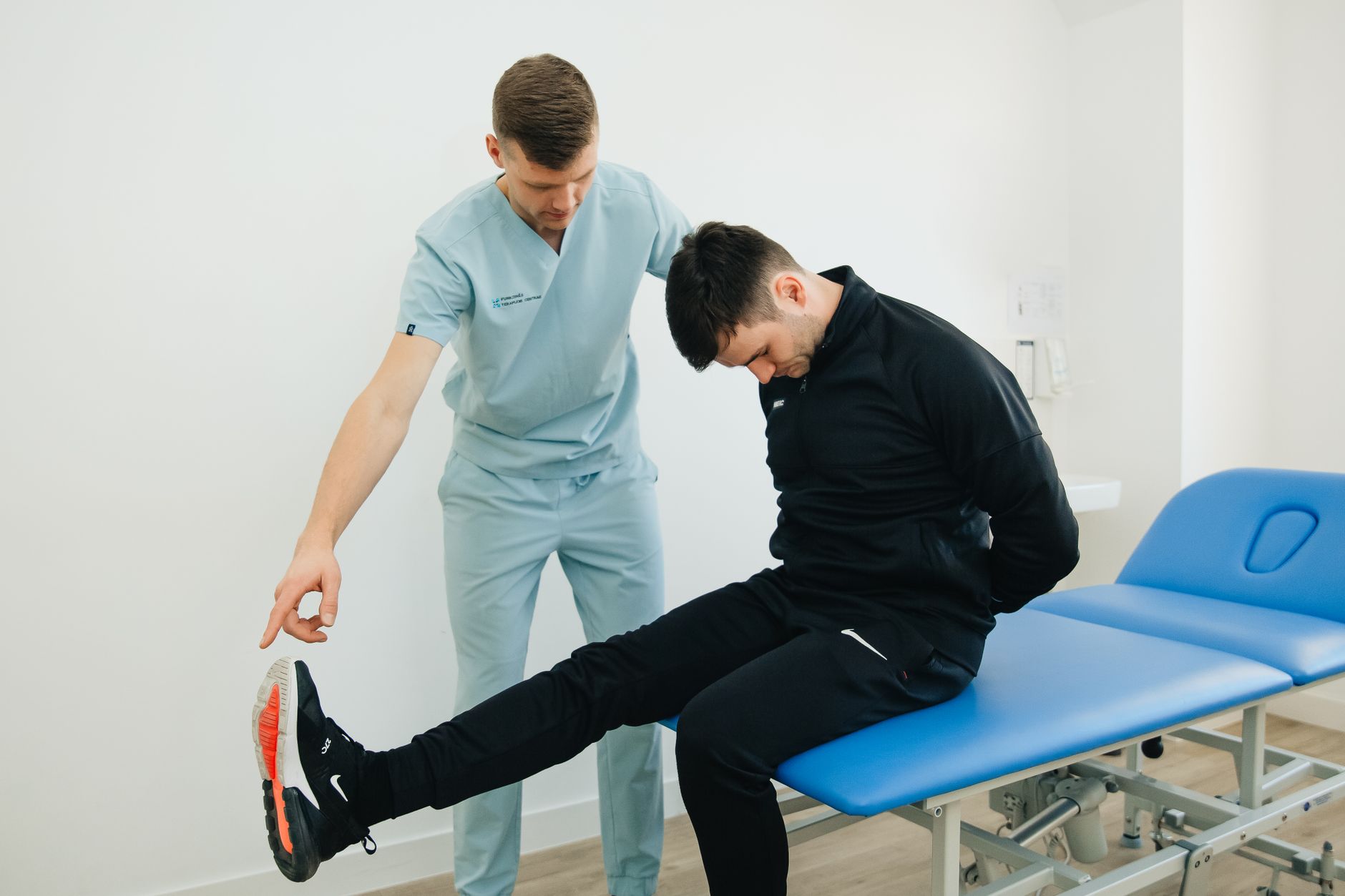
A proper assessment usually involves specific physical tests, such as the straight leg raise test, where the practitioner lifts your leg while you're lying down to see if it reproduces the radiating pain. Reflexes, muscle strength, and sensation along the leg are also checked. In most cases, imaging isn't needed immediately unless symptoms are severe, worsening, or accompanied by significant weakness.
Treatment options worth knowing about
- Chiropractic adjustment and spinal mobilisation to reduce nerve irritation and improve joint mechanics
- Targeted stretching and strengthening exercises, particularly for the hip and core muscles
- Heat or ice therapy for symptom management during flare ups
- Anti inflammatory medication, under guidance from a GP or pharmacist, for short term pain relief
- In rare, severe cases, surgical intervention when conservative treatment hasn't helped after several months
Most cases of sciatica improve within a few weeks to a couple of months with conservative treatment, and surgery is genuinely a last resort rather than a common outcome. Chiropractic care is often used as part of that conservative approach, aiming to reduce the mechanical pressure contributing to the nerve irritation in the first place.
If leg pain has been dragging on for more than a couple of weeks, it's worth having it properly assessed rather than just pushing through it. A local Hurstville chiropractor can usually determine fairly quickly whether your symptoms fit the typical sciatica pattern and what kind of treatment approach makes the most sense. For general background, healthdirect has useful information on when chiropractic treatment is appropriate and when you should see a doctor first instead.
