
From Start-Up Teams to Established Firms: Finding Office Space in KL
Kuala Lumpur offers businesses a wide range of office locations, from established commercial districts to newer mixed-use developments. Whether you are setting up a small company, expanding an existing operation or relocating your headquarters, choosing the right office space involves several practical decisions.
When choosing office space in KL, the address matters, but it should not be the only consideration. Your team needs a workplace that supports daily operations, provides suitable facilities and fits the company’s budget. A location that looks impressive during a viewing might prove less convenient once employees begin commuting and clients start visiting.
Before committing to a property, consider how your business operates and what it needs from its next workplace. A careful assessment will help narrow down the available options and avoid unnecessary expenses.
Explore Different Business Districts in Kuala Lumpur
Kuala Lumpur has several commercial areas that attract businesses across different industries. Each district has its own characteristics, transport connections and surrounding facilities.
The Kuala Lumpur City Centre area is known for its prominent commercial buildings, hotels and corporate offices. Its central location might appeal to companies that regularly meet clients, work with corporate partners or need an established business address.
Bangsar and Mid Valley offer another mix of commercial and retail facilities. These areas provide access to shopping centres, restaurants and transport connections, which can be useful for employees and visiting clients.
Other locations, including Mont Kiara, Damansara Heights and the wider Petaling Jaya business districts, offer different working environments. Some companies prefer these areas for their accessibility to residential neighbourhoods, while others value the range of office developments available.
The best location depends on where your employees and clients are based. Compare commuting routes and surrounding facilities rather than choosing a district based on reputation alone.
Decide How Much Office Space Your Business Needs
The amount of space required depends on your team size, working arrangements and plans. A small company with a hybrid workforce might operate comfortably from a compact office, while a business with regular client meetings or equipment requirements could need a larger layout.
Start by estimating the number of employees who will use the office regularly. Consider how many workstations are needed, whether staff require dedicated desks and how much space should be reserved for meeting rooms or private discussions.
The layout also affects how efficiently the office functions. An open-plan arrangement might suit teams that collaborate throughout the day, while separate rooms are useful for management discussions, confidential calls and focused work.
Avoid renting more space than your business needs at present. At the same time, consider whether the premises allow some flexibility if your workforce grows. Moving offices too frequently can disrupt operations and add costs.
Check Transport Access and Nearby Facilities
A convenient workplace helps employees maintain a manageable daily routine. When viewing office space in KL, examine the transport options available from nearby residential areas.
Proximity to MRT, LRT or other public transport connections might be important for employees who do not drive. If staff travel by car, check parking availability, visitor parking charges and access to major roads.
The surrounding area also deserves attention. Restaurants, cafés, banks, convenience stores and other everyday services make the location more practical for employees. Businesses that receive clients regularly should consider whether visitors can find the building easily and access the premises without unnecessary difficulty.
Visit the area during peak commuting periods if possible. Traffic conditions and building access might feel different during the morning rush than during a quieter afternoon viewing.
Compare Office Facilities and Building Management
The condition of an office building affects the daily experience of everyone working there. During a property inspection, look beyond the office unit itself and assess the shared facilities.
Check the condition of lifts, toilets, corridors, reception areas and common spaces. Ask about air-conditioning hours, building security, maintenance arrangements and procedures for reporting problems.
Internet availability is another important consideration. Confirm which service providers operate in the building and whether the required connection speeds are available. Businesses that rely on video conferencing, cloud systems or large file transfers should pay particular attention to connectivity.
If the office requires renovation or additional fittings, ask about the building management’s approval process. Some properties have restrictions on signage, partitioning, operating hours and renovation work.
Understand Rental Costs and Lease Conditions
The advertised rental rate does not necessarily represent the full cost of occupying an office. Before comparing properties, request a breakdown of the financial commitments involved.
Ask about the security deposit, advance rental, utility deposits, maintenance charges and any other recurring fees. If the office is offered in an unfurnished condition, include the expected cost of furniture, partitions, equipment and installation work.
Lease duration is equally important. A longer agreement might provide greater stability, but it can limit flexibility if the business changes its plans. A shorter arrangement might suit a growing company, although the available terms and rental rates will depend on the property and landlord.
Read the agreement carefully before signing. Pay attention to renewal options, rental adjustments, permitted use, repair responsibilities, early termination and reinstatement requirements. If any clause is unclear, obtain appropriate professional advice before making a commitment.
Consider the Office Environment and Layout
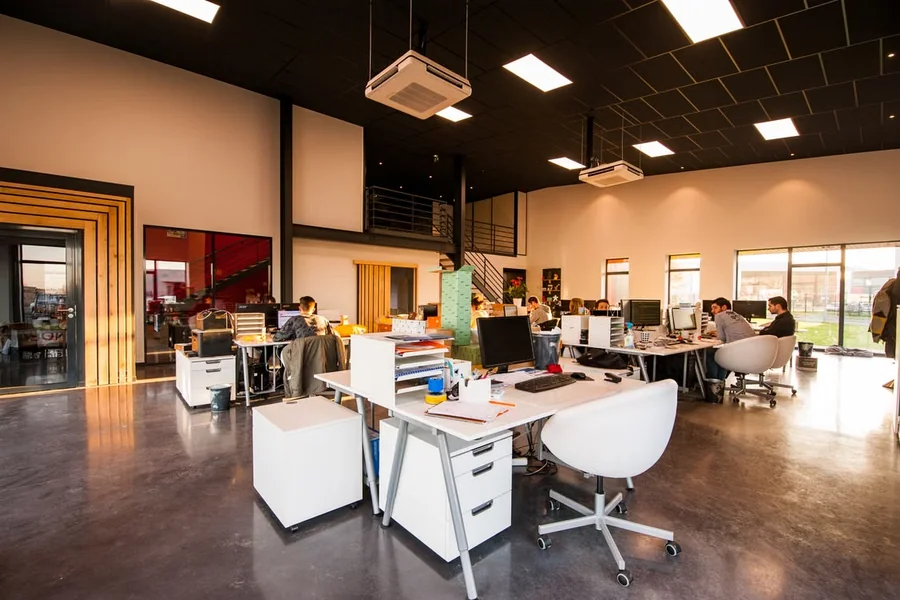
A suitable office should reflect how employees work throughout the day. During a viewing, consider natural lighting, ventilation, noise levels and the overall condition of the premises.
An office with limited natural light might require more artificial lighting during working hours. Poor sound separation could also affect teams that handle frequent calls or confidential discussions.
Think about the furniture and equipment your business needs. Some offices are ready for immediate occupation, while others require substantial fit-out work. If renovation is necessary, establish the expected timeline and whether the building permits the proposed changes.
The workplace should be practical for employees rather than selected solely for its appearance. Comfortable workstations, suitable meeting areas and reliable facilities often matter more over the long term.
Plan for Future Business Changes
Your office requirements might change as the company develops. A growing team could need additional workstations, while a shift towards remote working might reduce the amount of permanent space required.
Before renting, ask whether the landlord offers options to expand into nearby units or adjust the leased area when circumstances change. Check whether the lease permits subletting or assignment, subject to the landlord’s approval.
It is also useful to consider the potential disruption involved in relocating. Office moves require coordination, equipment transfers, internet installation and updates to business records. Choosing a property that can accommodate reasonable changes might reduce the need for another move in the near future.
Final Thoughts
Finding suitable office space in KL requires a clear understanding of your business needs, budget and preferred working environment. Location, transport access and building facilities all influence how practical a property will be once your team occupies it.
Compare several options, inspect the premises and review the lease conditions before making a decision. The right office should support your current operations while leaving enough room for the business to adapt as its requirements change.