
How International Schools in Singapore Prepare Students for a Global Future
Choosing a school is an important decision for families, particularly those who expect their children to study or work in different countries in the future. In Singapore, international schools offer an educational environment that brings together students from diverse cultural backgrounds and follows various international or overseas-based curricula. This gives children opportunities to learn beyond the expectations of a single national education system.
An international education often places emphasis on academic development, independent thinking, communication and cultural awareness. The exact experience depends on the school, its curriculum and the support available to students. Understanding these differences helps parents decide whether an international school in Singapore is suitable for their child’s educational needs and long-term plans. Parents exploring their options can consider Middleton International School – One of the top international school in Singapore.
Learning Alongside Students from Different Backgrounds
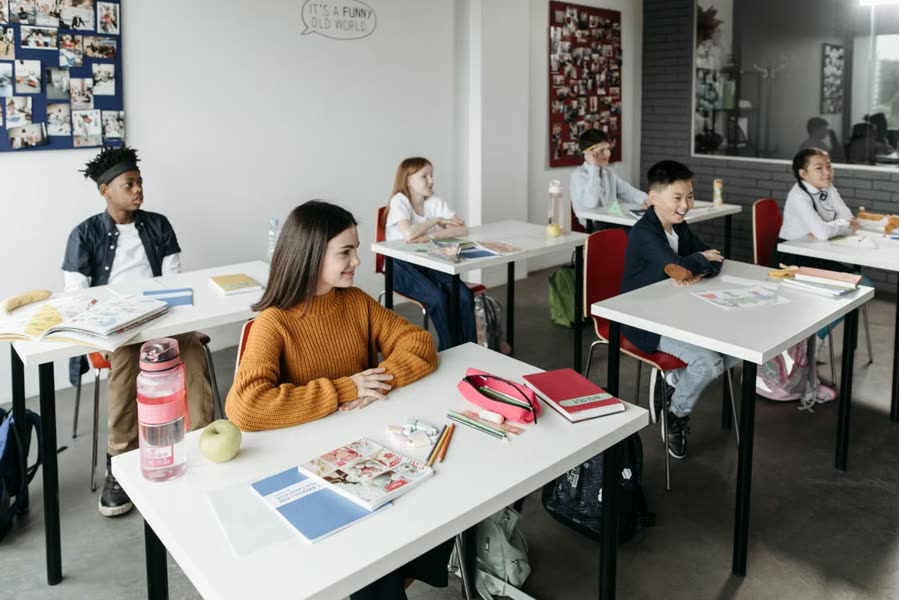
One of the most noticeable features of many international schools is their multicultural student community. Children may share classrooms with classmates from Asia, Europe, the Americas, Africa and other parts of the world. Daily interaction with people who have different languages, customs and experiences introduces them to perspectives they might not encounter in a more culturally uniform setting.
These experiences often extend beyond classroom discussions. Group assignments, school celebrations, sports activities and everyday conversations give students opportunities to understand how others communicate and approach different situations. They also learn to work with classmates whose opinions or experiences differ from their own.
This exposure is useful as children grow older and enter universities or workplaces with international connections. Being comfortable communicating across cultural differences is an important skill, although it develops through regular interaction and guidance rather than simply attending a school with an international label.
Exposure to Different International Curricula
International schools in Singapore do not all follow the same educational framework. Depending on the school, students might study programmes based on the International Baccalaureate (IB), British education system, American curriculum or another national or international approach. For related reading, see choosing a nursery class in Singapore.
Each pathway has its own structure, assessment methods and academic expectations. Some programmes place considerable emphasis on inquiry, research and connections between subjects. Others follow a more subject-focused structure with specific examinations and qualifications at different stages.
For families considering an international school, the curriculum deserves close attention. A child moving from one education system to another might need time to adjust to different teaching methods, grading arrangements or subject requirements. Parents should also consider whether the curriculum supports the child’s likely next step, particularly if the family expects to relocate.
An international curriculum does not automatically make one school better than another. The important question is whether its teaching approach, academic standards and progression routes match the student’s abilities and plans.
Developing Independent Thinking and Communication Skills
Preparing students for a global future involves more than covering academic subjects. Many international programmes encourage children to ask questions, investigate problems, explain their reasoning and consider different viewpoints.
Classroom activities might involve research projects, presentations, group discussions and practical assignments. These tasks give students opportunities to organise information, communicate ideas and take responsibility for their learning. Instead of relying entirely on memorising information, they are often expected to understand how knowledge applies to real situations.
Communication is another important area. Students may be asked to present their findings, participate in discussions or work with classmates on shared assignments. These experiences help them become more comfortable expressing their views and listening to others.
The extent of this approach varies between schools and programmes. Parents should look beyond general descriptions of teaching philosophy and ask how lessons are delivered, how students are assessed and how teachers support children who need additional guidance.
Building Language Skills in a Multicultural Environment
Language development is an important consideration for families choosing an international school. English is commonly used as the main language of instruction in many Singapore international schools, although arrangements differ between institutions. Some schools also offer additional language programmes, bilingual pathways or language support for students who are still developing their English skills.
Learning alongside classmates who speak different languages exposes children to a wider range of communication styles. Studying another language can also help them understand different cultures and prepare for future academic or professional environments.
Parents should check the school’s language requirements before applying. A child who is new to English-medium education might need additional support to follow lessons and participate confidently. Schools with suitable language programmes and learning assistance can make the transition easier.
Opportunities Beyond Academic Lessons
Extracurricular activities form another part of the international school experience. Depending on the institution, students might have access to sports teams, music lessons, drama productions, debate clubs, community projects and other activities.
These opportunities allow children to explore interests that might not receive as much attention during regular academic lessons. Taking part in a team sport, for example, encourages cooperation and discipline. Performing arts can help students develop confidence, while clubs and group projects provide opportunities to practise leadership and problem-solving.
A school’s extracurricular programme also gives parents an indication of how it supports student development outside the classroom. However, the range of activities, facilities and participation requirements can differ considerably. Families should ask which activities are available at their child’s year level and whether additional fees apply.
Student Wellbeing and Pastoral Support
Moving to Singapore or changing education systems can be challenging for children. They might need to adjust to a new language, different classroom expectations or unfamiliar social environments. International schools often have pastoral care arrangements designed to support students through these changes.
Depending on the school, support might include class teachers, counsellors, learning support specialists, student mentors and wellbeing programmes. These services can help children manage academic pressure, build friendships and address difficulties that affect their school experience.
Parents should ask how the school handles concerns such as bullying, learning difficulties, emotional wellbeing and transitions between year levels. It is also worth finding out how regularly teachers communicate with families about a child’s progress.
A welcoming school environment matters because students are more likely to participate and learn effectively when they feel supported and included.
Helping Students Prepare for University Pathways
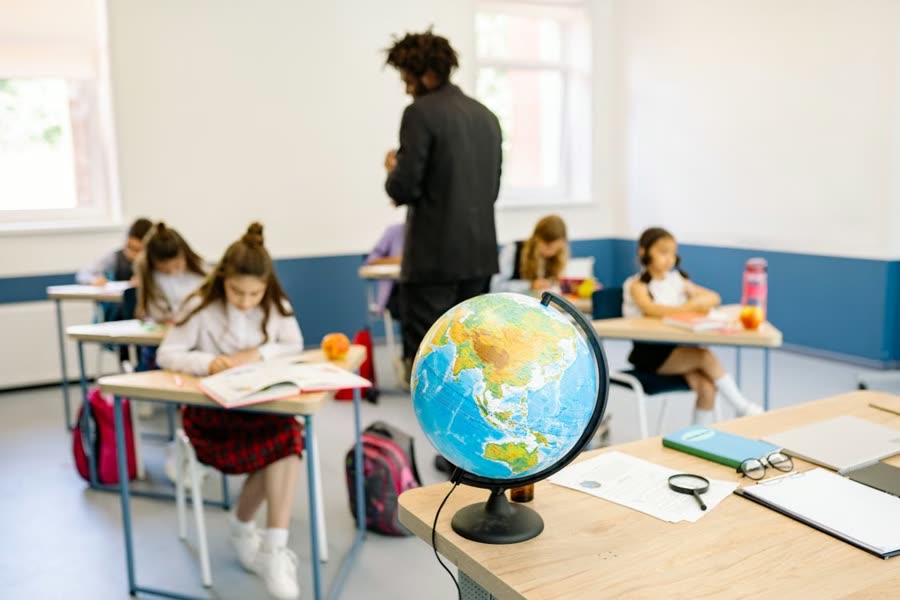
For older students, an international school education can provide access to qualifications used by universities in different countries. Depending on the school, available pathways might include the IB Diploma Programme, Cambridge IGCSE and A Levels, an American high school diploma with Advanced Placement courses, or other recognised qualifications.
University preparation often involves more than academic results. Students might receive guidance on subject selection, application deadlines, personal statements, admissions tests and other requirements. Some schools also provide university counselling to help students understand the application process in their preferred destinations.
However, studying at an international school does not guarantee admission to an overseas university. Each institution has its own entry requirements, and these depend on the chosen course, qualification, academic results and other application details.
Families should check whether the school offers the subjects and qualifications needed for their child’s intended university route. It is also useful to understand how the school supports applications to universities in Singapore and other countries.
Final Thoughts
International schools in Singapore offer families a range of educational pathways in a multicultural environment. Their programmes may help students develop academic knowledge, communication skills, independence and an understanding of different cultures.
The right choice depends on the individual child rather than the school’s international reputation alone. Parents should compare curricula, teaching methods, student support, fees and future education options before making a decision. A school that provides the right academic structure and a supportive environment gives children a stronger foundation for their next stage of learning, wherever their future takes them.