



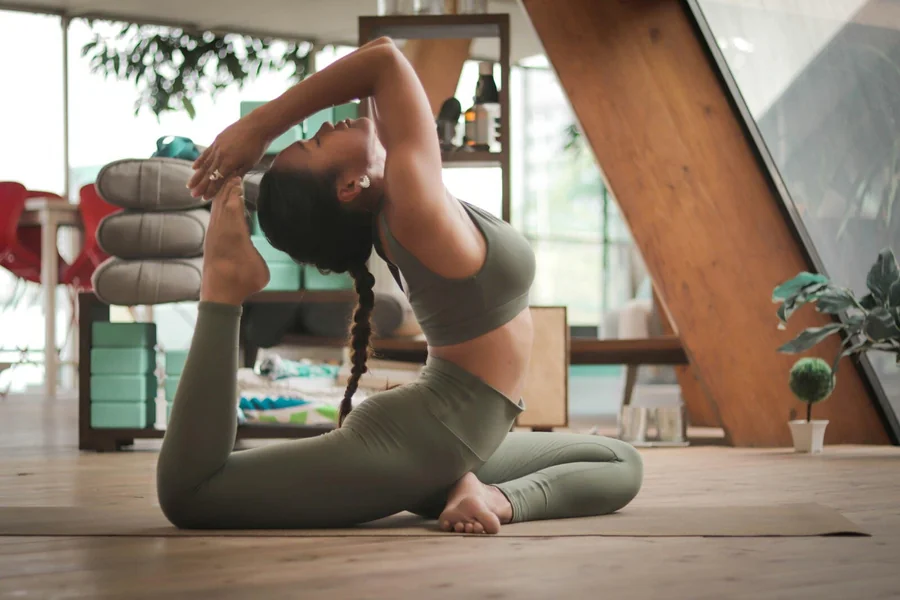
Exercise tends to be associated with increased muscle strength, fitness and weight management. But, frequent exercise can also help to promote healthy skin and general wellbeing of the body. Movement stimulates circulation, stress, sleep, energy levels and other processes that impact your well-being and appearance.
If you’re looking to make exercise more than just a fitness objective, you’ll want to educate yourself about the benefits it can have on your skin and overall body health. It can be a part of a balanced day-to-day schedule that helps enhance both your looks and well-being.
You don’t have to workout for hours in the gym to get these benefits. Regularly engaging in walking, cycling, swimming, stretching, dancing and other activities that are fun for them can all help with wellness.
How Exercise Can Support Skin and Body Wellness
There are numerous systems in the body that are impacted by physical activity. Heart pumps quicker and circulation of blood is enhanced when you move. This facilitates the delivery of oxygen and nutrients to various tissues, such as skin.
Physical activity can also promote improved sleep, stress control, muscle strength, and heart health. All these benefits are related and contribute towards efficient body function.
While it might not be the remedy for every skin problem, an active lifestyle could assist many of the body’s natural processes that help keep it healthy and skin beautiful.
Exercise Supports Healthy Blood Circulation
A first reaction to exercise is an improvement in circulation.
The faster your heart rate, the better the blood circulates around your body. Blood transports oxygen and nutrients to cells and tissues.
Good blood flow is vital to numerous body processes. It can also assist skin to absorb its required nutrients to keep it looking and functioning normally.
Activities that promote circulation are:
- Brisk walking
- Jogging
- Cycling
- Swimming
- Dancing
- Aerobic exercise
Activity during the day, such as walking around while sitting, can also have a beneficial effect on decreasing prolonged sitting.
Physical Activity Can Help Manage Stress
Stress impacts physical health and well-being, as well as emotional. Stress can impact sleep, food habits, energy, and skin.
One effective method of coping with common stress is through exercise.
Exercise can help make you feel better and provides you with time out of work, away from screens and away from all the other stresses of everyday life. After some people experience a calm and focused state when walking outdoors, practicing yoga, or exercising at the gym.
For others who find that some skin conditions seem to get worse during stressful times, managing stress can prove helpful.
Although exercise is by no means a cure-all remedy for stress, it can be incorporated into a healthy stress management program.
Exercise May Support Better Sleep
Sleep recovery and good health is critical.
There are numerous repair and recovery processes that occur during sleep. Not sleeping well can make you feel tired, less focused, and less motivated to keep up healthy habits.
Exercise can benefit a healthy sleep pattern. Regular exercise can make it easier for people to relax at the end of the day.
But, for some, exercise right before sleep could make the night difficult. It can be useful to have the perfect exercise plan for your body.
Having a regular nighttime routine plus exercise can lead to more effective daily wellness.
Exercise Strengthens Muscles and Bones
Skin wellness is just one facet of the total body wellness. Exercise also helps to support the structures below the skin.
Strength training exercises are used to maintain and develop the muscles. Weight bearing exercises can also help bones get stronger.
Examples include:
- Bodyweight exercises
- Resistance bands
- Weight training
- Walking
- Stair climbing
- Light strength exercises
A healthy musculoskeletal system helps us move, maintain our posture, balance and carries out our everyday activities.
Heavy lifting isn’t necessary. You can begin with some easy exercises, and build up to more challenging ones as you get stronger.
Sweating and Skin Care After Exercise
It is normal to sweat when exercising. Regulates temperature in the body.
But sweat can combine with oil, dirt, sunscreen or makeup on the skin. This mix might irritate or lead to blocked pores in some individuals if left on the skin.
Cleaning up after exercise can help.
Following exercise, try to replace damp trousers or a big pair of running shoes with fresh clothing and wash your skin with some water. Do not scrub too hard, as the skin may be irritated by the scrubbing.
Sun protection is also important when exercising outside. Apply appropriate sun protection products and clothing as appropriate.
Hydration Matters During Exercise
When exercising, the body requires more fluids, particularly in hot conditions or if exercising for a prolonged period.
Adequate water consumption maintains normal body functions and replenishes fluids lost from sweating.
Instead of waiting until you feel extremely thirsty, try to drink fluids regularly throughout the day.
You may need to drink more or less water according to your:
- Exercise intensity
- Weather conditions
- Body size
- Activity duration
- Overall health
Water is a convenient option for most daily tasks. Individuals who exercise long or intensely may require more fluid.
Exercise Can Support Healthy Weight Management
With a balanced diet, regular activity may also contribute to promoting a healthy body weight.
Exercise burns energy and keeps the fat out of the body.Exercise burns energy and keeps fat out of the body. It can also help promote a better metabolism and stamina.
Wellness does not just refer to the physical weight of the body, however. There are a number of health benefits to exercise even if there isn’t a lot of weight lost.
Emphasizing strength, energy, mobility and the whole person could provide a more sustainable model of participation in physical activity.
Choose Exercise You Actually Enjoy
Making an activity a habit is one of the most crucial components of habit formation and it involves selecting activities that you can continue for the long term.
There’s no need to adhere to complicated fitness programs.
These are activities you can do that are simple, such as walking around the neighborhood, gardening, cycling, swimming, playing sports, do-it-at-home fitness routines, or fitness classes.
If the activity is fun, it’s likely that you’ll do it regularly.
Begin at a comfortable level and gradually build up activity. Attempting to do too much and too fast can result in soreness, fatigue, injury.
Combine Exercise With Other Healthy Habits
Exercise is most effective when part of a comprehensive wellness plan.
There are also some other habits that influence healthy skin and body wellness. Consuming healthy foods is a key source of vitamins, minerals, protein and good fats. Adequate intake of water helps maintain the normal body functions. Proper sleeping allows the body to recover.
A healthy regimen might feature regular exercise, healthy eating, adequate sleep, water, protection from the sun, a soft skin care treatment, and stress management.
Such patterns tend to reinforce each other. For instance, exercising can help sleep, and sleeping can help promote activity the next day.
Listen to Your Body
Exercise should push the body to a level above what it is used to and shouldn’t always hurt or be very tiring.
Fatigue post-exercise is normal, particularly if starting a new exercise program. If there is sharp pain, dizziness, breathing problems or strange symptoms, do not ignore them.
Don’t push through and rest when necessary, give your body time to recover.
Those who have medical conditions, injuries or have concerns about starting an exercise program may want to consult a healthcare professional before making a major change in their activity level.
Final Thoughts
Astute observation that exercise is beneficial to skin and body wellness demonstrates that exercise has more than a calorie-burning or strength-building effect. Exercise helps to improve circulation, manage stress, sleep, muscle health, mobility and more that leads to overall wellness.
Regular exercise can help with healthy circulation, and improved stress management and sleep can lead to a more balanced lifestyle, which may help skin health.
The best work out is typically the one you can stick with. Do simple activities, drink plenty of water, and take care of skin after exercise; allow time for body to recover.
Regular, small movements can be a crucial element in a healthier lifestyle and help you and your skin in the long run.
