
Cody Andrew Moxam Is Putting EEG and Machine Learning to Work on More Precise Brain Treatment
The human brain remains one of the most intricate mysteries in modern science, yet the gap between understanding its core functions and actively treating its dysfunctions is rapidly closing. Bridging this incredible divide requires a seamless blend of biological science and raw computational power. Right at this fascinating intersection, Cody Andrew Moxam is putting EEG and machine learning to work on more precise brain treatment. By shifting away from generalized, overarching therapies and focusing heavily on highly individualized neurological responses, researchers in this space are paving the way for a future where cognitive care is both dynamic and incredibly accurate.
The Role of Artificial Intelligence in Healthcare
This is exactly where advanced algorithms step in to handle the heavy lifting of modern diagnostics. Artificial intelligence has fundamentally changed how medical professionals approach massive, complicated datasets, effectively turning hours of manual observation into mere seconds of automated analysis. Professionals like Cody A Moxam recognize that teaching a computer to recognize specific neural patterns can essentially eliminate the human error associated with reading dense graphical data. Instead of merely looking for obvious spikes or drops in activity, well-trained machine learning models can identify subtle, hidden trends that consistently correlate with early-stage cognitive decline or difficult-to-diagnose mood disorders.
Developing Targeted Therapeutic Solutions
Moving beyond mere diagnostics, the ultimate goal is to use this integrated technology to deliver therapies that actively adapt to the patient in the moment. Cody Andrew Moxam envisions a modern clinical environment where treatment is never a one-size-fits-all prescription, but rather a flexible, living protocol that shifts based on immediate neurological feedback. If a patient is getting neurofeedback therapy or targeted electrical stimulation, the machine learning model can quickly check if the brain is reacting the way it should at that moment. If the way things are going isn’t working the way it should, the smart system can suggest changes right away. This makes the therapy work better and feel more comfortable for the patient.
Analyzing Neural Patterns in Real-Time
The unprecedented ability to read and interpret neural responses as they actually happen is a massive leap forward for the world of cognitive medicine. Historically, a patient would undergo a brief scan, wait days or even weeks for the neurologist’s results, and then finally begin a relatively static treatment plan. Now, because intelligent algorithms process data instantaneously, therapists can see exactly how a brain reacts to specific stimuli the very second it occurs. This immediate feedback loop means that ineffective treatments can be safely discarded before they waste the patient’s valuable time, while successful interventions can be amplified, leading to much faster recovery times and noticeably better overall patient outcomes.
Overcoming Traditional Diagnostic Limitations
For a very long time, the field of neurology relied heavily on subjective patient reporting combined with brief, isolated snapshots of brain activity. Unsurprisingly, this often led to misdiagnoses or delayed treatments, especially in conditions that naturally fluctuate throughout the day, such as epilepsy, severe anxiety, or certain types of depressive disorders. By continuously tracking electrical signals and applying smart, automated pattern recognition, clinicians can easily bypass the traditional limitations of subjective questionnaires and isolated testing. The technology provides an objective, continuous, and highly detailed map of cognitive function, catching intermittent issues that a standard ten-minute clinic evaluation would almost certainly miss during a routine visit.
The Shift Toward Non-Invasive Interventions
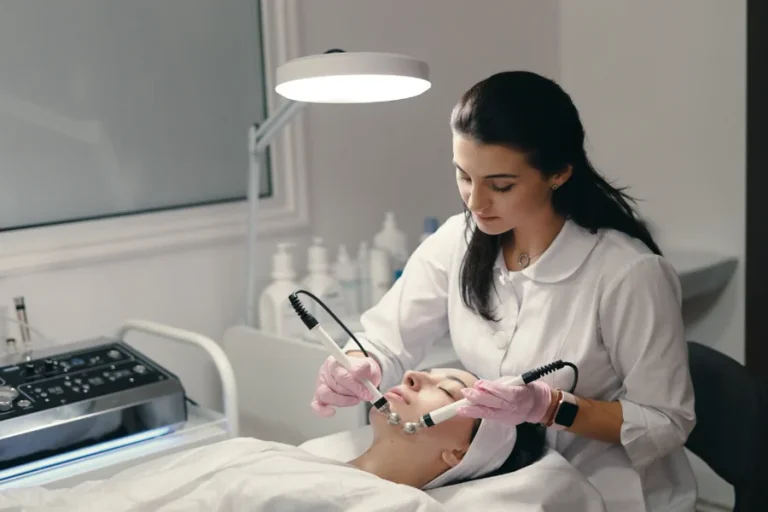
One of the absolute most exciting aspects of this technological convergence is its heavy, deliberate emphasis on non-invasive procedures. In the past, achieving precise neurological adjustments often required risky surgeries or heavy, systemic pharmaceutical regimens that came burdened with severe side effects. Today, the brilliant combination of advanced surface electrodes and intelligent software means that clinicians can often achieve significant therapeutic results without ever breaking the skin or prescribing heavy medications. Patients are understandably much more likely to commit to long-term cognitive therapy when the process is as simple and painless as wearing a comfortable headset in a relaxing, spa-like clinical environment.
Long-Term Implications for Cognitive Health
As these computational models ingest more and more data over the coming years, their predictive power will only become sharper and far more reliable for everyday practitioners. We are undoubtedly looking at a near future where preventative neurological care is just as common and straightforward as getting your blood pressure checked at the local pharmacy. If a well-trained algorithm can reliably spot the earliest electrical signatures of Alzheimer’s or Parkinson’s disease years before physical symptoms even manifest, doctors can begin protective treatments much earlier in the patient’s life. This proactive, data-driven approach has the genuine potential to fundamentally alter the trajectory of neurodegenerative diseases on a global scale.
A Brighter Future for Brain Medicine
The seamless integration of continuous electrical monitoring and smart algorithms is undeniably changing the modern landscape of medical science for the better. By removing the inherent guesswork from cognitive diagnostics and creating highly adaptable, responsive therapy models, innovators in this space are making sure that patients receive the exact help they need, precisely when they need it most. As this remarkable technology becomes even more refined and widely accessible to the general public, it holds the incredible promise of making highly personalized, entirely non-invasive brain treatment the absolute standard of care for generations to come.