



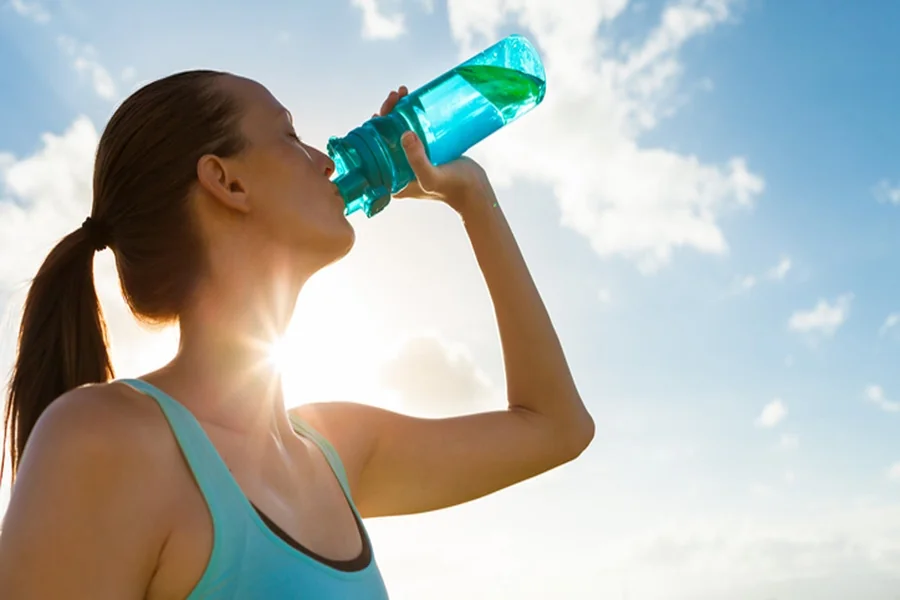
Water plays a vital role in the body in nearly all of its processes. It regulates the body temperature, aids in digestion, carries nutrients and maintains organ function. However, there are still many who don’t know the right amount of water you should be drinking per day. We have all heard that everyone should drink 8 glasses of water a day, but what if it isn’t that everyone should drink the same amount of water?
The amount of water you need is based on your age, size, activity level, climate, diet, and health. Rather than the hard fast number, it’s important to HOW MUCH water you need in your body and establish a pattern of drinking it throughout the day.
How Much Water Should You Drink Each Day?
There is no single quantity which is ideal for all. Recommendations for healthy adults often are for 8 to 10 litres of fluid per day.
A well-known rule of thumb is to approximate the daily water requirements to about:
- 3.7 litres for adults men
- 2.7 litres for women of adult size
These quantities, however, are for all sources of water. So, all liquids, like drinking water, tea, milk and other drinks, as well as fruits, vegetables, soups and food can help you stay hydrated throughout the day.
Therefore, one doesn’t have to consume 3 liters or more of plain water per day. A lot of foods contain a high amount of water on their own.
Your own needs may also vary from day to day.
Why Does the Body Need Water?
There’s a lot of water in the human body. All major systems require adequate water to operate properly.
Water is involved in the body’s thermoregulatory processes (via sweating). It also aids digestion, and promotes elimination from the digestive tract.
Water is a key component of blood and is essential for good circulation. Water is also essential for the kidneys to clean and make urine.
Water lubricates joints and maintains healthy tissues, too.
Dehydration can happen when your body is losing water faster than it’s taking it in. Any dehydration, no matter how slight, can impact your performance and make you feel tired throughout the day.
Factors That Affect Your Water Needs
The amount of water you need depends on a number of factors. This is why it may not be best to drink the same time as someone else.
Physical Activity
Sweat loses water when exercising. If you are active, spend a lot of time outdoors or do strenuous exercise, you might need extra fluid.
Fluids before, during and after exercise can help replenish fluids.
Heavy exercise also can cause the loss of electrolytes like sodium that can last for extended periods of time. In such cases, fluid requirements may vary from that of a person who is doing light everyday work.
Weather and Climate
Individuals in hot or humid conditions tend to sweat more. This will lead to more fluid loss and possibly require more water.
Hydration can also be impacted by cold weather. It could also simply be because people do not feel as thirsty in cooler weather, and might not drink as much water as they do in hot weather.
Drink water all year long, not just when it is hot.
Diet
What you eat can affect your water consumption.
Consuming fruits that are high in water like watermelon, oranges, cucumbers, tomatoes, lettuce and strawberries is a great way to keep your body hydrated. Soups and other foods also help to hydrate the body.
Those who eat lots of foods that are high in water content might be getting extra water from food.
Eating foods that are high in salt, however, can make one thirstier.
Pregnancy and Breastfeeding
Fluid requirements may be higher during pregnancy and lactation. Body needs extra water for normal physiological change and milk production.
If a woman is uncertain on fluid requirements, she should seek individual advice from her health care provider if she is pregnant or breastfeeding.
Illness
When you vomit, if you have diarrhea, fever and heavy sweating, the body loses fluids rapidly.
Extra fluids may be needed when sick. Oral rehydration solutions may be recommended in some situations as they contain both fluids and important electrolytes.
If a person drinks little or no water or vomits, they should talk to their health care provider.
Signs You May Need More Water
As one of the body’s natural cues, thirst will tell you that you need fluids. But there are other indicators that could be a warning you’re not consuming enough water.
Symptoms may include:
- Dry mouth
- Dark yellow urine
- Less frequent urination
- Headache
- Tiredness
- Dizziness
- Increased thirst
Sometimes urine colour is a simple indicator of hydration. If the urine is pale yellow, it’s likely that you’re drinking enough water, but if it’s dark urine, you may need to drink more water.
But medicines, supplements, food and other health conditions can also cause urine color changes.
Is Eight Glasses of Water a Day Enough?
The “eight glasses a day” rule is a simple one to remember, but not required all the time.
Eight 8 ounce glasses of water equals approximately 1.9 liters. This could be right for some but not right for others.
Keep in mind that fluid can also be obtained from eating and drinking.
Don’t consider eight glasses as a rule, but rather as a general guideline to consider based on your lifestyle, activity level, environment, and thirst.
Can You Drink Too Much Water?
It is less common than dehydration but drinking too much water can sometimes be harmful.
Excessive amounts of water in a short time can cause sodium to be diluted from the blood stream. It is called hyponatremia.
While healthy kidneys can filter out a considerable amount of extra water, flushing the excess water too quickly is still not possible.
Unless a health care provider has recommended you to drink more water, there is no reason to do so while you’re not thirsty.
Simple Ways to Drink More Water
Developing basic habits can help make staying hydrated stress-free.
Start your day with a glass of water. Bring re-useable water bottle to the workplace, school or travel.
Use water to drink during meals and when exercising. It is also possible to drink more fruit and vegetables that contain water.
If you don’t like plain water, add some pieces of lemon, cucumber, orange or mint to give it a little bit of flavoring without adding a lot of sugar.
It’s more likely that you’ll make the habit of drinking water regularly than a big amount of water all at once.
Do Tea and Coffee Count Toward Hydration?
Yes. Most drinks count towards your total fluid needs for the day.
Drinks like tea, coffee, milk and other beverages are made of water and can help you stay hydrated. Caffeinated beverages can be slightly diuretic, but moderate intake of caffeinated beverages provides fluids to the body.
But water is one of the healthiest simple options as it contains no calories or added sugar.
Sweets or sugary drinks are not the primary source of fluid intake.
When Should You Talk to a Doctor?
A few health issues can impact water consumption.
Sometimes people with certain kidney, heart or liver problems are told to restrict or carefully manage their fluid intake. Some medicines also can have an impact on fluid balance.
Your doctor may have told you something about what fluids to drink or avoid– follow their advice and don’t use general information.
If you also have any of the following symptoms and are thirsty or urinating frequently, or you are feeling unusually dehydrated, or if you aren’t feeling right, get medical advice.
Final Thoughts
So, how much water should you drink each day? The amount is not precise and it can’t be determined for everyone. Your daily requirements will vary depending on your metabolism, level of activity, diet, surroundings and health.
General guidelines are a good place to start, but also listen to your thirst, look at the color of your urine, consider physical activity, and think about the weather.
Drink regularly throughout the day, eat water foods and drink more fluids if sweating more due to exercise, heat or sickness. It is generally more helpful to develop good hydration habits, rather than attempting to stick to a single number each day.

1 Comment
Pingback: Simple Ways to Stay Hydrated Throughout the Day