



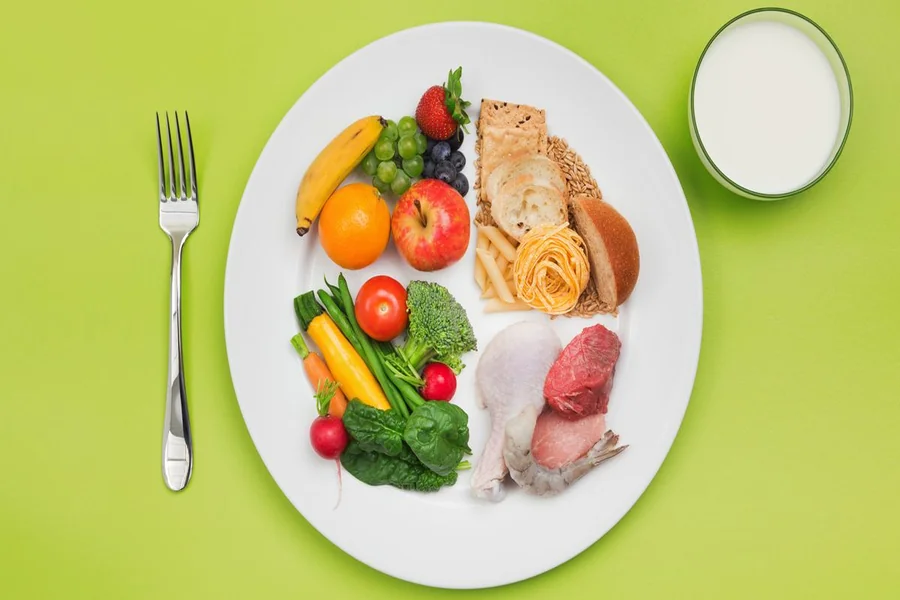
A healthy diet isn’t about giving up your favorite foods or going on a drastic diet. A balanced diet is just a way to eat that gives your body the nutrients, energy and diversity it requires to function properly.
It’s important to understand what makes a balanced diet so that you can make better food decisions every day, but not fall into the trap of being too restrictive. In general, a balanced diet consists of vegetables, fruits, whole grain foods and proteins, good fats and adequate fluids. We are not aiming for perfection. Rather, it has to do with developing eating routines that will help you stay healthy on a long term basis.
What Is a Balanced Diet?
A balanced diet consists of an appropriate combination and proportion of foods. The nutrients in each food group have different functions in the body.
For instance, carbs are fuels for the body, proteins are materials for growth and repair, and good fats have a number of normal functions in the body. Vitamins and minerals are also essential for various aspects of health including maintaining bones and helping the immune system work properly.
Variety is one of the key components of eating a healthy diet because no single food provides all the nutrients that the body requires.
What Makes a Balanced Diet Healthy?
Typical food groups are emphasized in a healthy, balanced diet and not relying on one food source.
Vegetables
Vegetables are a source of naturally occurring vitamins, minerals, fibre and other nutrients.
Vegetables provide a variety of nutrients, so a variety of vegetables can be beneficial. Leafy green vegetables, carrots, tomatoes, broccoli, peppers and vegetables make wonderful additions to a well rounded meal.
Eat vegetables with lunch and dinner, if possible.
Fruits
Fruits are also a good source of natural carbohydrates, minerals, fibre and vitamins.
All fresh, frozen and unsweetened canned fruits can be included in a healthy diet. Fruits like apples, bananas, oranges, berries, mangoes and others can be good additions to meals or snacks.
It is better to consume whole fruits regularly rather than a lot of fruit juice, since whole fruits are higher in fibre.
Whole Grains and Other Carbohydrates
Carbohydrates are an important source of energy.
Oats, brown rice, whole-wheat bread and whole-grain cereals are usually richer in fiber and nutrients than highly refined grain products.
Some other carbohydrate-rich foods like potatoes, corn and some beans are also acceptable in nutritious meals.
The important thing is to select healthy choices of carbohydrates and to have the right portion sizes.
Include Enough Protein
Protein is important for maintaining muscles, repairing tissues, producing enzymes, hormones and other body functions.
Protein may be animal or vegetable.
Common options include:
- Fish
- Eggs
- Chicken
- Lean meat
- Beans
- Lentils
- Peas
- Tofu
- Nuts
- Seeds
- Dairy products
Adding a protein source to meals can also make meals more satisfying.
It’s not necessary to have the same protein meal each day. It is a good idea to use different protein sources for rotation to ensure more variety in diet.
Healthy Fats Are Part of a Balanced Diet
Fat is sometimes misunderstood. But too much of some fats isn’t necessarily healthy while the body still needs fat in its diet.
Better fats include nuts, seeds, avocados, olive oil and oily fish.
These foods can be helpful in maintaining normal body functions and in the absorption of some vitamins.
Balance is key. Generally, it is best not to have too many very high saturated fat foods, too many heavily fried foods or too many highly processed snacks as a regular part of your diet.
Do Not Forget Fiber
Fiber is an important factor in digestive health.
Fiber is found in many vegetables, fruits, whole grains, beans, lentils, nuts and seeds.
Incorporating adequate amounts of fiber into your diet can aid bowel regularity and keep meals filling.
Don’t try to add a lot of fiber to your diet in one shot, but rather add extra fiber and fluid slowly over time.
Hydration Matters Too
Healthy eating is more than just food. Good fluid balance also helps to promote wellbeing.
Water is used in digestion and circulation, in temperature control, and for various other normal functions.
Fluid requirements may differ from person to person, depending on age, climate, activity level, diet, pregnancy, breastfeeding, and health status.
The most common answer is to simply drink water for everyday hydration. Other foods that provide fluid include milk, unsweetened drinks, fruits, vegetables, soups, and other foods.
Portion Balance Is Important
All foods, even healthy ones, should be consumed according to a person’s specific requirements.
Serving sizes will be different based on activity, age, body size and individual health objectives.
The easiest way to consider a balanced meal is to have half of it as vegetables, and half as a protein and a carbohydrate source.
Then moderate amounts of healthy fats can be added.
No one has a perfect plate that fits them all. Their aim is to create meals with more than one food group, rather than meals that are focused on just one food group.
Limit Highly Processed Foods
Sometimes treats are a part of a balanced diet. You don’t need to stop eating sweets, desserts, fast food or snacks altogether.
Rather, it is advisable to avoid replacing nutrient-dense food items on a frequent basis by highly processed foods.
A number of packaged foods are high in added sugar, sodium, and saturated fat but low in fiber and other nutrients.
One strategy to try is to build meals around minimally processed foods and eat less nutritious foods from time to time.
Reduce Excess Added Sugar
While sugars that are naturally occurring in foods like whole fruits and dairy products are distinct from the large quantities of sugar in soft drinks, desserts, candy and packaged foods.
Regularly eating food and drinks containing added sugar can lead to a lack of a healthy overall diet.
There is no need to eliminate sugar from your diet altogether. Rather, focus on how frequently sugar foods and beverages are part of your lifestyle.
You can start by swapping out some of the sweet drinks you have with water.
Balance Matters More Than Perfection
A healthy diet is a diet that has been developed over time.
A single less nutritious meal won’t cause you to get sick, and one salad won’t make you healthy.
It’s important to keep in mind that how you eat over time is more important than what you have for breakfast or dinner.
Vegetables and fruit, nutritious carbohydrates, quality protein, healthy fats and plenty of fluids make up the bulk of most meals, and the remaining place for you to enjoy some foods.
Eating well may feel like a struggle sometimes when trying to eat a perfect meal.
Generally, consistency is more possible than perfection.
How to Build a Balanced Meal
Balanced meals can be simpler to prepare when two or more basic food items are prepared together.
You may have some oatmeal with fruit, nuts and milk for breakfast or yogurt.
Rice or whole grains with vegetables and chicken, fish, beans, or lentils may be served at lunch.
Dinner may include vegetables, potatoes or whole grains, and protein.
Snacks may also provide valuable food nutrients. A few simple suggestions include a small number of nuts, vegetables with hummus or fruit with yogurt.
The specific foods may vary by culture, price, availability, and taste.
Why Variety Is Important
Consuming the same foods daily can make it more difficult to obtain a variety of nutrients.
Many fruits and vegetables have multiple colors, each associated with a particular group of naturally occurring nutrients.
Likewise, altering your types of protein and grains can provide more nutritional diversity.
It is not necessary to have a variety of foods every day. Changing your food selections each week can help you vary your diet.
Final Thoughts
There is no complicated calculation or strict rules for understanding what is a balanced diet. A balanced approach is about variety, portion sizes and good food choices.
Plan meals around vegetables, fruits, whole grains or other healthful carbohydrates, high-quality protein, good fats and sufficient fluids. Don’t avoid too many highly processed foods, added sugars, and foods with saturated fat, but don’t think you should avoid too many other less nutritious foods.
Most importantly, select diet choices that are realistic and sustainable! Making small changes over time can make a difference in your eating pattern.
