
You are mid-conversation, reading through your messages, when someone just replies “wrd.” No context. No explanation. Just three mysterious letters staring back at you. Is it a typo? Some secret code? Did they accidentally sit on their phone? Relax. You are not missing anything complicated. WRD means “Word” and it simply expresses agreement, acknowledgment, or surprise in casual texting. Once you understand it, you will start spotting it everywhere. This guide explains everything clearly, from what it means to how to use it without embarrassing yourself.
What Does WRD Mean in Text, Exactly?
WRD stands for “Word.” But before you think this is just about vocabulary, understand that this is not the dictionary kind of word. In texting slang, “word” carries a completely different emotional weight.
When someone says WRD in a conversation, they are essentially saying:
- “I totally agree with you.”
- “That is true.”
- “I hear you.”
- “Exactly.”
Think of it as a quick, casual head nod through your phone screen. It is the texting version of leaning back in your chair and saying, “Yeah, facts.” No extra explanation needed. No full sentence required. Just wrd, and the whole vibe is understood.
The vowels are simply dropped from the word “word” for speed and style, because why type four letters when three will do? That is the logic of modern texting in a nutshell.
Where Did WRD Actually Come From?
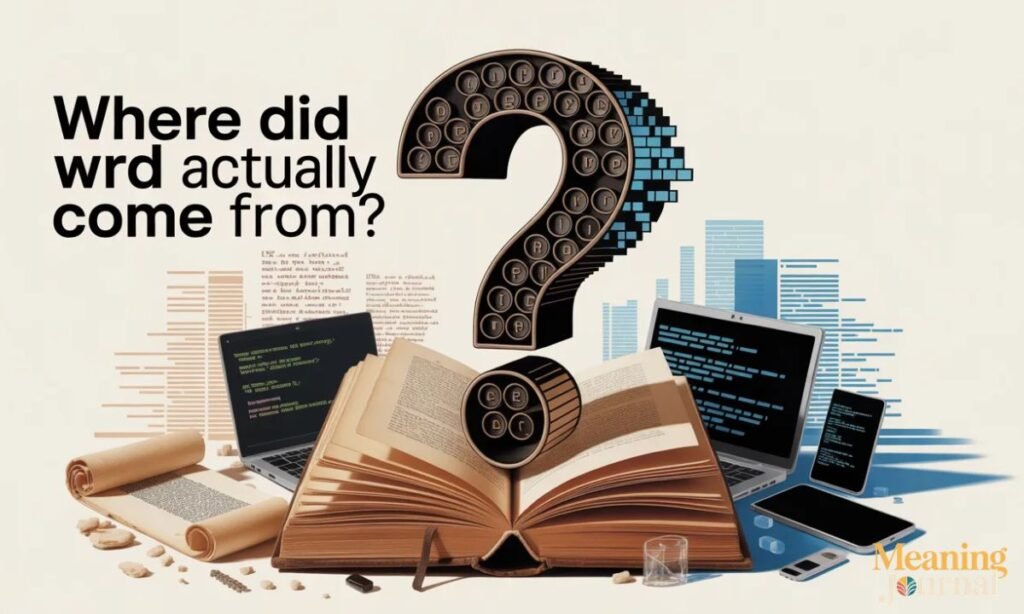
To understand slang properly, you always have to trace it back to its roots. And WRD has genuinely fascinating origins.
The slang use of “word” started in African American Vernacular English (AAVE), specifically in New York City during the 1980s and 1990s. It became deeply tied to hip-hop culture, where artists and communities used “word” as a quick verbal affirmation. Saying “Word up!” meant “What you are saying is true and I respect it.” Over time, people shortened it to just “Word.”
As hip-hop spread globally, so did its language. Then the internet arrived. Early chat rooms, AIM messenger, and eventually SMS texting turned “word” into WRD because dropping vowels was a natural habit for fast typists. Early platforms like Twitter also had character limits, which pushed people to shorten everything they could.
By the time social media platforms like Snapchat, Instagram, and TikTok took over daily communication, WRD was already a fully established part of digital slang. Today it lives comfortably in group chats, comment sections, DMs, and everywhere else where casual texting happens.
The Many Moods of WRD: How Context Changes Everything
Here is something most guides get wrong. They tell you WRD only means agreement. But the truth is far more interesting. WRD is a shape-shifter. Its meaning actually changes based on how you use it, and once you understand this, you will read text conversations on a completely different level.
Agreement and Validation This is the most common use. Someone says something you agree with, and you reply with WRD. Clean, simple, done.
Alex: “That new show is actually really good.” Jordan: “Wrd, I watched three episodes last night.”
Acknowledgment Without Full Agreement Sometimes you are not necessarily saying “I agree.” You are just saying, “Got it, I received your message.” It is a casual thumbs-up without making a big deal out of anything.
Sam: “I will be there by 7.” Casey: “Wrd, see you then.”
Surprise or Disbelief When something shocks you, WRD transforms into a mini “wait, seriously?” It expresses that your jaw just dropped slightly.
Jamie: “He actually quit his job today.” Riley: “WRD? Just like that?”
Indifference or Passive Response If someone sends a flat “wrd.” with a period after it, the vibe is cool but distant. Not rude, but not exactly warm either. Think of it as a polite exit from the topic.
Understanding these layers is the difference between someone who knows what WRD means and someone who actually understands how to use it in real conversations.
Punctuation Changes Everything (This Is the Part Most People Miss)
This is the section competitors almost always skip over, and it is honestly the most practical thing you can learn about WRD. The punctuation you attach to it completely shifts the emotional message.
| Variation | Tone and Meaning |
| wrd (lowercase, no punctuation) | Super relaxed, casual, just flowing along |
| WRD (all caps) | Intense agreement, excitement, or even sarcasm |
| wrd. (period) | Neutral, flat, or slightly dismissive |
| wrd! (exclamation mark) | Enthusiastic agreement or happy surprise |
| wrd? (question mark) | Mild doubt or asking for confirmation |
| WRD?? (double question mark) | Major shock or disbelief |
| wrd fr (with “for real”) | Doubling down on sincerity and agreement |
| wrd 💀 (with skull emoji) | “That is so painfully true it is hilarious” |
Read that table once more because this is genuinely useful. The same three letters carry completely different energy depending on how they land. A “WRD!” from your best friend feels totally different from a “wrd.” from someone who seems unbothered by your news.
Real Life Examples of WRD in Action
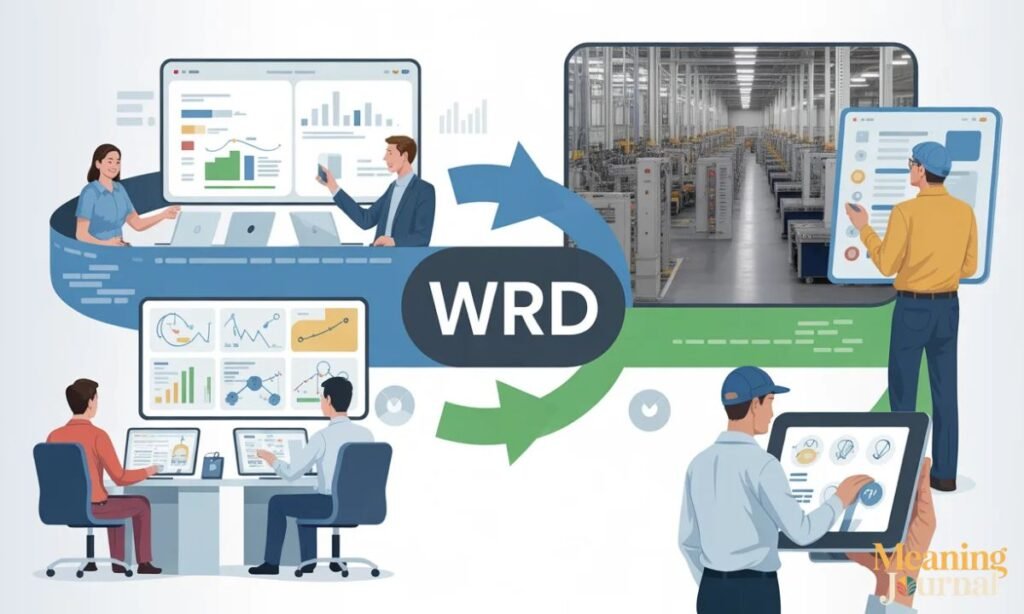
Seeing it in real conversations is the fastest way to get comfortable with any slang. Here are natural exchanges that show exactly how WRD fits into daily texting:
Example 1: Agreement
Person A: “Finals week honestly needs to be illegal.” Person B: “Wrd, no human should go through five exams in three days.”
Example 2: Acknowledgment
Person A: “I will send you the notes tonight.” Person B: “Wrd, appreciate it.”
Example 3: Surprise
Person A: “They cancelled the concert.” Person B: “WRD? After we already bought tickets?!”
Example 4: Passing Agreement
Person A: “Sleep is honestly the most underrated thing ever.” Person B: “Wrd fr, nothing hits like eight hours.”
Example 5: Flat Acknowledgment
Person A: “You were pretty loud last night, just so you know.” Person B: “Wrd.“
Notice how that last example feels completely different from all the others. Same word. Completely different energy.
WRD vs. Similar Slang Terms: What Is the Difference?
You have probably also seen terms like BET, FR, IKR, and NO CAP floating around in conversations. These are all slang terms that express some kind of agreement or acknowledgment, but each one has its own personality. Here is how WRD compares:
| Slang Term | What It Means | How It Differs from WRD |
| WRD | “Word” / Agreement / Acknowledgment | Versatile, used for both agreement and surprise |
| BET | “Okay” / “I will do it” / Confirmed | Leans toward commitment or a promise to act |
| FR (For Real) | “Seriously” / Emphasis | Can express skepticism or strong sincerity |
| IKR (I Know Right) | Full agreement with enthusiasm | More personal and expressive than WRD |
| NO CAP | “Not lying” / “I am serious” | Focuses on honesty rather than agreement |
| SAME | Shared feeling or experience | More emotional relatability, less acknowledgment |
The key thing to notice is that WRD is the most flexible of the bunch. While BET leans toward a promise and FR leans toward emphasis, WRD slides comfortably between agreement, acknowledgment, and even surprise. That flexibility is exactly why it has stayed popular for so long.
Who Uses WRD and Where?
WRD thrives in certain spaces and feels completely out of place in others. Knowing the difference is important if you want to use it naturally.
Where WRD is at home:
- Text messages between friends, especially on iMessage and WhatsApp
- Snapchat conversations where speed and casual energy matter most
- TikTok comment sections where people agree with creators or other viewers
- Instagram DMs and comment threads, especially among younger users
- Discord servers where gaming communities have quick back-and-forth conversations
- Twitter or X in quick reply chains
Where WRD absolutely does not belong:
- Professional emails to your boss or clients
- Academic writing or reports
- Job applications or cover letters
- Any situation where someone might genuinely wonder if you made a typo
The general rule is simple. If you would not use it in a conversation with your professor, do not use it in a professional message either. Save WRD for the people who already know the language.
Common Mistakes People Make with WRD
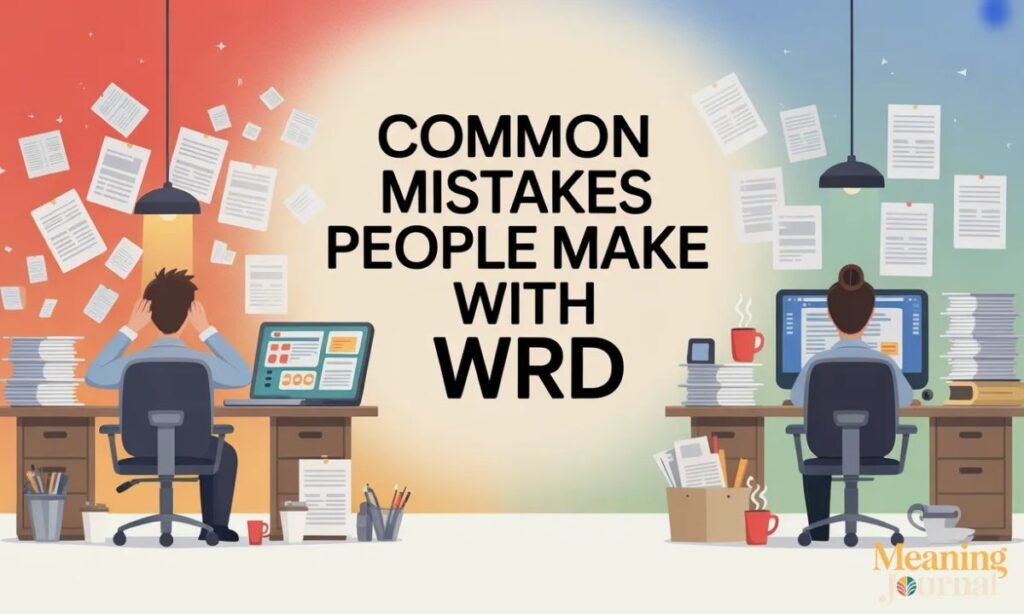
Now that you know what it means, let us quickly cover the mistakes that trip people up so you do not have to learn them the hard way.
Mistake 1: Using WRD in Professional Settings Sending “wrd” as a reply to your manager’s message is the fastest way to look like you are not taking things seriously. Stick to “Understood” or “Sounds good” in those situations.
Mistake 2: Relying on It as a Conversation Filler If someone shares exciting news and your only response is “wrd,” it can feel cold and disconnected. Match the energy of the conversation. If someone is excited, bring some excitement back.
Mistake 3: Ignoring the Punctuation As you saw in the table above, “wrd!” and “wrd.” are completely different messages. Sending the wrong one can make you seem dismissive or overly intense when you did not mean to be either.
Mistake 4: Using It With People Who Are Not Familiar With Slang If you send WRD to someone from a different generation or a different communication style, they might genuinely think you made a spelling error and correct you. And then you will have to explain yourself, which defeats the whole purpose of using shorthand in the first place.
Mistake 5: Assuming It Is an Acronym WRD is not an acronym. It is not short for any phrase where each letter stands for something else. It is simply a shortened phonetic spelling of the word “word.” That distinction matters because some people go looking for a full form that does not exist.
Should You Use WRD in Your Conversations?
Here is the honest answer. Yes, if the three following conditions are met:
- You are talking to someone who knows digital slang and is comfortable with it.
- The conversation is casual and personal, not professional or formal.
- The tone of the chat already has an informal, relaxed vibe.
If all three of those are true, then dropping a wrd at the right moment feels completely natural and shows that you are fluent in modern texting culture. It is genuinely a smooth way to keep conversations flowing without over-explaining your reaction.
If any of those conditions is NOT met, stick to regular words. No slang is so useful that it is worth creating confusion or accidentally seeming rude.
Is WRD Offensive or Inappropriate?
Short answer: No. WRD is completely harmless.
It carries no negative meaning on its own. It is not offensive, rude, or vulgar by default. The only time it could rub someone the wrong way is if the tone of the conversation makes a flat “wrd.” feel dismissive or if the person receiving it simply does not understand slang.
One thing worth knowing is that WRD has deep roots in AAVE and hip-hop culture. Like many slang terms that originated in Black American communities, it has spread far beyond its origins and is now used by people of all backgrounds across the internet. Using it respectfully, in genuine casual conversation, is perfectly fine. Leaning into it purely as a performance to seem “cool” is a different story, and context will usually make that obvious.
Other Things WRD Can Stand For (Rare Cases)
In texting and casual messaging, WRD almost always means “word.” But for the sake of being thorough, here are a couple of rare alternative meanings you might encounter in specific contexts:
- WRD = Weird or Weirdo in some informal conversations where someone is describing strange behavior. This usage is far less common than the “word” meaning.
- WRD = White Ribbon Day in advocacy or awareness contexts, particularly related to campaigns against violence. This would only appear in very specific community discussions, not in everyday texting.
Unless you are in a context that is clearly about one of these alternative meanings, assume WRD means “word” and you will be right nearly every single time.
Frequently Asked Questions
What does WRD mean when a friend sends it?
It almost always means they agree with you, acknowledge what you said, or are simply reacting to something you shared. The exact flavor depends on whether there is a question mark, exclamation mark, or just the word standing alone.
Is WRD the same as saying “okay”?
Not exactly. “Okay” is more of a neutral acceptance. WRD carries a slightly cooler, more validating energy. It is closer to “facts” or “true” than it is to a simple “okay.”
Can WRD ever sound sarcastic?
Yes, and tone is everything here. “WRD.” said in response to something obvious or annoying can absolutely come across as sarcastic or dismissive. Context and punctuation are your best clues for reading the intent behind it.
The Bottom Line on WRD
If you made it this far, you now know more about WRD than most people who use it daily without thinking twice. Here is a quick recap.
WRD means “Word.” It is a casual slang term used to express agreement, acknowledgment, or surprise in informal digital conversations. It came from AAVE and hip-hop culture in the 1980s, moved into internet slang, and is now a staple in texting across platforms like Snapchat, TikTok, Instagram, and WhatsApp.
The meaning shifts based on punctuation and context, so pay attention to how it lands. Use it freely with friends in casual chats, but leave it out of professional settings where clarity and formality matter.
Language is constantly evolving, and slang like WRD is just one small example of how human communication adapts to speed, culture, and digital life. Understanding it does not just help you decode a confusing message. It helps you actually connect with people in the way they are already talking.
And honestly? That is kind of the whole point.
