

Have you ever received a message that ended with “ASF” and just stared at your screen for a second? You’re not alone. This tiny three-letter combo has become one of the most commonly used abbreviations in digital conversation — and it means more than most people realize.
Let’s break it all down, clearly and quickly.
So, What Does ASF Actually Mean in Text?
In everyday texting and social media, ASF stands for “as f*ck.” It’s used to intensify whatever word comes before it — think of it as a more expressive version of “very” or “extremely.”
If someone says “tired ASF” or “happy ASF,” they’re basically saying they are extremely tired or extremely happy. The word before ASF carries the meaning, and ASF just cranks up the volume on it.
It’s blunt, it’s casual, and in 2026, it’s all over TikTok captions, Instagram bios, Discord servers, and everyday text messages.
Real-Life Text Examples That Make It Click
Sometimes the best way to understand slang is just to see it in action. Here are a few natural examples:
“It’s hot ASF outside today, I can’t even breathe.”
“That movie was boring ASF, I fell asleep in the first 20 minutes.”
“She’s talented ASF, honestly one of the best I’ve seen.”
“I’m hungry ASF, what are we eating tonight?”
Notice how in every case, the emotion or description lands harder because of ASF. It adds punch without adding more words. That’s exactly why Gen Z loves it — it’s efficient and expressive at the same time.
Where Did ASF Come From? The Origin Story
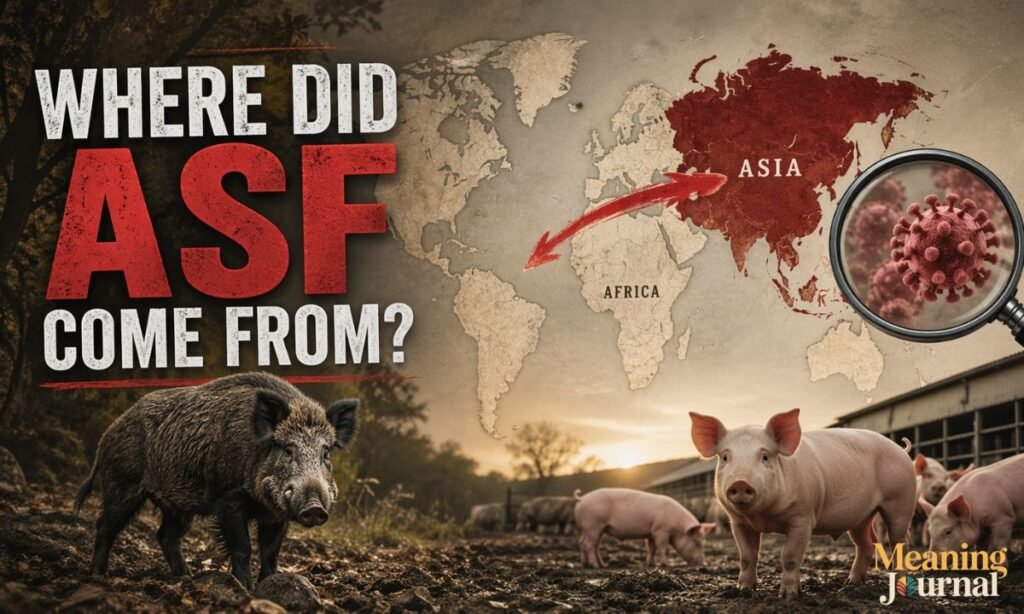
ASF didn’t just appear overnight. It grew out of African American Vernacular English (AAVE) and hip-hop culture, where the phrase “as f*ck” was already widely used in speech. As internet slang evolved through platforms like Twitter, Tumblr, and later TikTok, the abbreviation “ASF” became the shorthand version.
By the mid-2010s, it was already embedded in youth culture. By 2020, it had crossed into mainstream digital language. In 2026, it’s practically a universal texting term — used by teenagers, young adults, and even people in their 30s who grew up with this style of communication.
ASF in the Gen Z Vocabulary — Why It Hits Different
Gen Z didn’t invent ASF, but they definitely made it mainstream. For this generation, language is fast, layered, and emotional. They don’t say “I am very exhausted.” They say “I’m dead ASF.”
What makes ASF unique in Gen Z usage is its flexibility. It can be serious, sarcastic, funny, or dramatic — all depending on context. A message like “this math homework is hard ASF” is frustration. But “that dog is cute ASF” is pure affection.
Gen Z also pairs ASF with emojis, all-caps, or both to make the intensity even clearer. It’s part of a broader pattern where abbreviations carry emotional weight in digital communication.
The Other Side: ASF in Professional and Technical Fields
Here’s where it gets interesting — ASF doesn’t only mean one thing. Depending on the context, those three letters carry completely different meanings.
ASF in the Military refers to Aviation Support Facility or Automated Security Force, depending on the branch and context. Military communication is filled with abbreviations, and ASF appears in logistics, security operations, and base management documentation.
ASF in Medical terminology most commonly refers to Anterior Spinal Fusion, a surgical procedure used to treat spinal conditions. Medical professionals may use ASF in clinical notes, surgical reports, or patient records. If you ever come across ASF in a medical context, it has nothing to do with texting — it’s a serious clinical abbreviation.
ASF in the context of pigs refers to African Swine Fever, a highly contagious and often fatal viral disease that affects domestic and wild pigs. It has caused devastating livestock losses across Asia, Europe, and parts of Africa. For farmers, veterinarians, and agricultural agencies, ASF is a critical term tied to food security and animal health.
So if you see “ASF outbreak” in a news headline, it’s almost certainly about pigs — not a texting trend.
A Quick Comparison: ASF vs. Similar Slang Terms
People often confuse or interchange ASF with a few other abbreviations. Here’s how they actually differ:
AF means the same thing as ASF — “as f*ck” — and is arguably more widely used in written form. The difference is subtle. ASF is more common in texting and informal speech, while AF appears more often in captions and written posts.
TBH (To Be Honest) is sometimes used similarly to set up a strong statement, but it’s an entirely different phrase with a different function.
NGL (Not Gonna Lie) also introduces honest or exaggerated feelings, but again — different structure, different use.
ASF is unique because it only intensifies. It doesn’t introduce new information. It just makes the existing emotion louder.
Asf meaning in Gen Z
ASF is a Gen Z internet abbreviation that stands for “as f***.” Young people use it right after an adjective to boost the emotion far beyond a plain “very” or “really.” You’ll spot it in captions, texts, and comments like “tired asf” or “funny asf.”
The slang exploded through Instagram, TikTok, and Twitter as short, expressive phrases replaced longer sentences. It works for excitement, frustration, or agreement, making chats feel more relatable and punchy. Because it carries a mild profanity behind it, most people save ASF for casual talk and skip it in professional settings.
The Unique Layer People Miss: Tone and Sarcasm
Here’s something most articles don’t tell you — ASF can be sarcastic, and that changes everything.
“Oh yeah, that was fun ASF.” Said with a monotone or eye-roll emoji? Pure sarcasm. The person had the opposite of fun.
This is why context matters enormously when reading ASF in text. The words around it, the emojis, the relationship you have with the sender — all of it affects meaning. This is the nuance that older generations or non-native English speakers often miss when reading Gen Z messages.
In digital communication, tone is carried by context, not just words. ASF is one of the clearest examples of that.
Common Misunderstandings About ASF
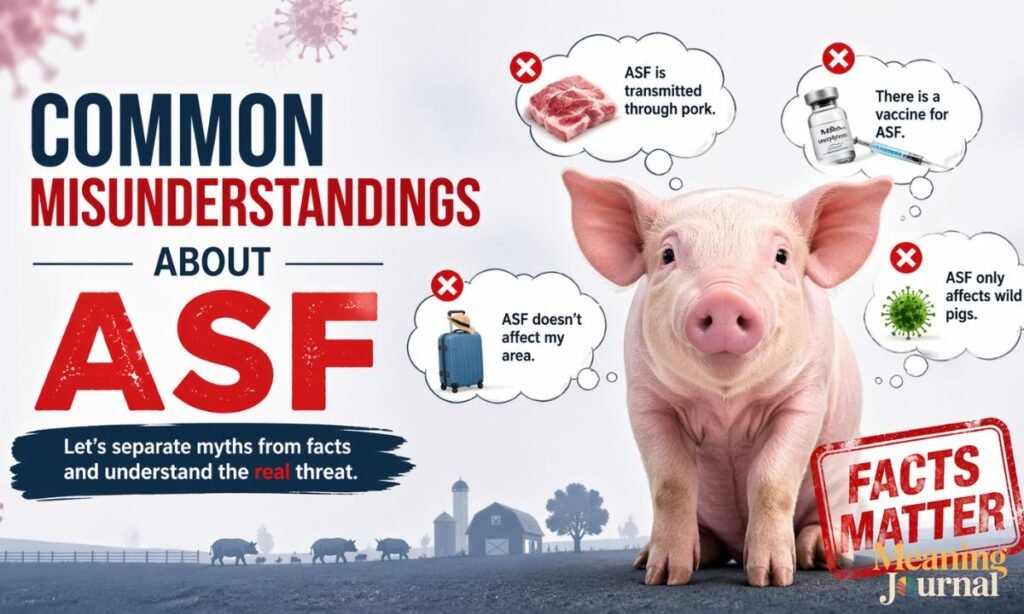
One of the biggest mistakes people make is assuming ASF is always negative or inappropriate. It’s not. The word it intensifies determines the tone — not ASF itself.
Another misunderstanding is thinking ASF is exclusively a young person’s term. While it originated in youth culture, it’s now used across age groups in informal settings.
Some people also confuse the multiple meanings of ASF and apply the wrong one. Reading “ASF confirmed in three new counties” in a farming news article has zero connection to texting slang — it’s about African Swine Fever. Knowing the context prevents confusion.
Why Knowing This Actually Matters in 2026
Language evolves fast. What’s slang today becomes standard tomorrow — and what feels confusing now can create real miscommunication if you ignore it.
Whether you’re a parent trying to understand your teenager’s texts, a content creator writing for a younger audience, a teacher, or someone learning English as a second language — understanding ASF and similar terms gives you an edge. You read messages more accurately. You write more naturally for digital audiences. You avoid embarrassing misreads.
In professional contexts, recognizing that ASF has medical and agricultural meanings prevents mix-ups in research, reporting, or client communication.
Digital literacy in 2026 includes knowing how language shifts — not just grammar rules, but the living vocabulary of the internet.
Examples of ASF Used Across Different Situations
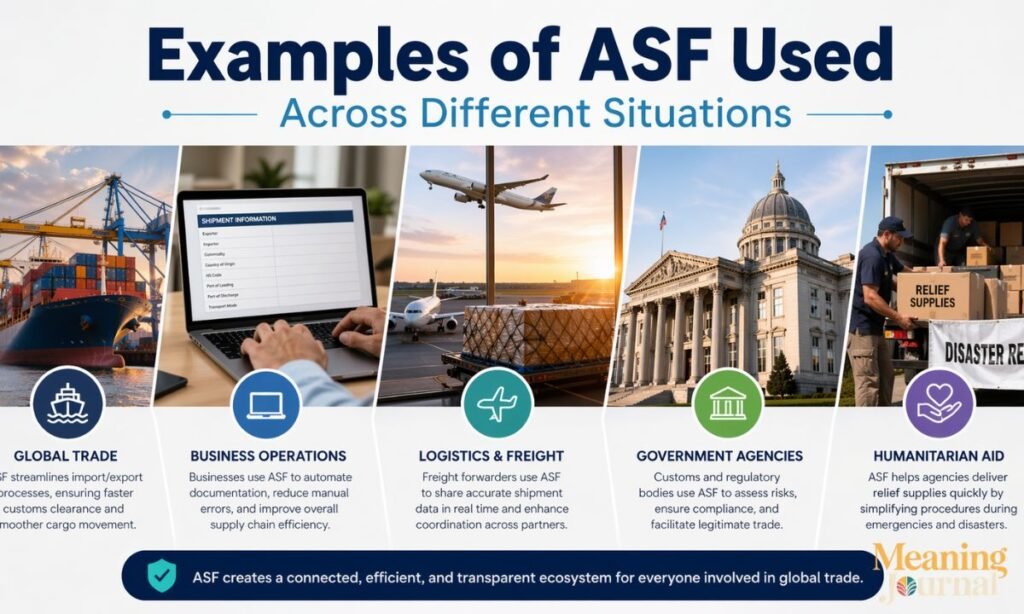
“The concert was loud ASF but honestly worth every second.”
“I’ve been busy ASF this week, barely had time to eat.”
“The vet confirmed ASF in the herd — it’s a serious situation.” (Agricultural context)
“Post-op report notes ASF at L4-L5 with no complications.” (Medical context)
“That joke was funny ASF, I actually cried laughing.”
Each sentence uses ASF correctly — just in completely different worlds.
Frequently Asked Questions
Is ASF appropriate to use in professional settings?
No. ASF is casual slang. Keep it out of work emails, formal writing, or professional messages. It belongs in texts, casual social media, and informal chats only.
Is ASF the same as AF?
Essentially yes — both mean “as f*ck.” ASF is slightly more common in spoken or texted language, while AF appears more in written captions and social posts.
Can ASF be used positively?
Absolutely. “Beautiful ASF,” “kind ASF,” “talented ASF” — all positive uses. The feeling depends entirely on the describing word before it.
What does ASF mean in farming news?
In that context, ASF stands for African Swine Fever — a viral disease affecting pigs. It has no connection to internet slang.
Why do people use ASF instead of just saying “very”?
Because “very” feels flat in casual digital conversation. ASF carries energy, attitude, and personality that “very” simply doesn’t.
Key Insights
ASF is one of those terms that looks small but carries a lot. In texting, it’s a simple intensifier — three letters that make every emotion feel bigger. In agriculture, it’s a disease that threatens food supplies. In medicine, it’s a spinal procedure. In the military, it’s an operational term.
The context you’re reading it in tells you everything.
In 2026, digital language fluency isn’t optional anymore — it’s practical. Knowing what ASF means in a text, versus a farm report, versus a medical file, is exactly the kind of everyday knowledge that prevents confusion and helps you communicate clearly across every space you move in.

1 thought on “ASF Meaning in Text: What It Really Means in 2026”